
Consejos para Vender Casa
Cómo vender una casa con Mello-Roos en Chula Vista y East County San Diego
Justin Santolaya | 21 de agosto de 2026 | justin@nexthomebella.com
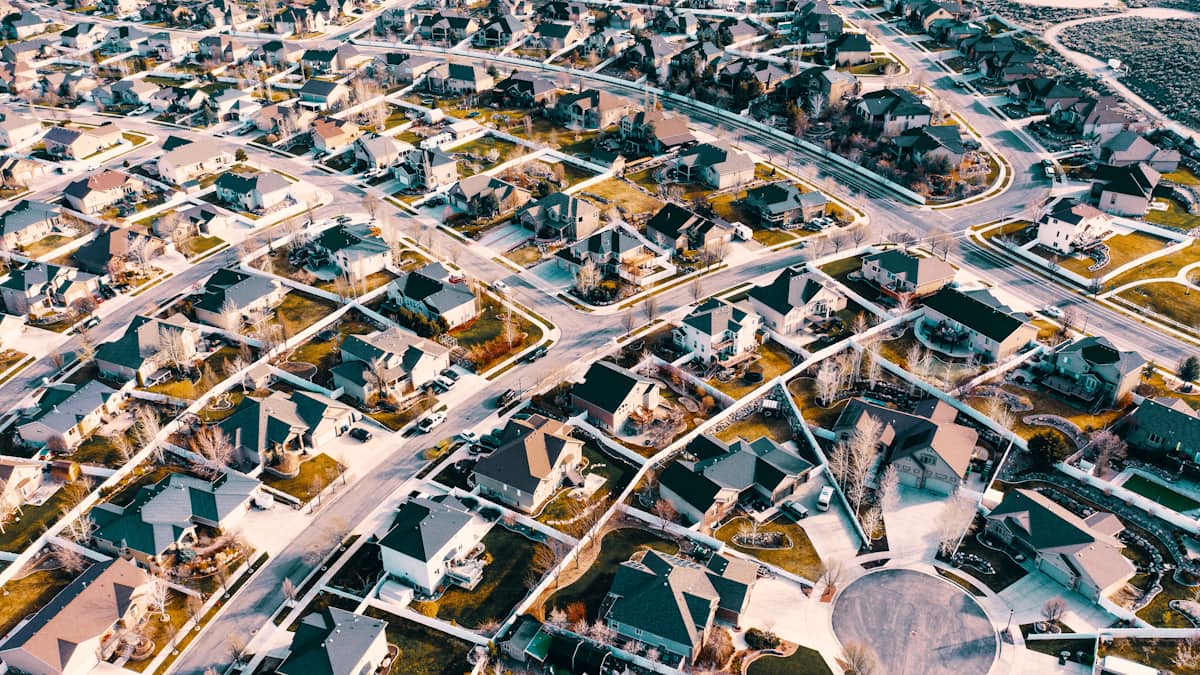
Si tienes una casa en Otay Ranch, EastLake, Rolling Hills Ranch o en la mayoría de las construcciones más nuevas al este de la 805, ya conoces esa partida en tu factura de impuestos a la propiedad de la que nadie te advirtió cuando compraste. Mello-Roos.
Es una de las preguntas más comunes que me hacen los vendedores de East County y South Bay, y una de las más malentendidas. Esto es lo que realmente significa a la hora de vender.
Qué es realmente Mello-Roos
Mello-Roos es un impuesto especial creado por la Ley de Distritos de Instalaciones Comunitarias Mello-Roos de 1982. Cuando un desarrollador construye una comunidad nueva, la agencia local forma un Distrito de Instalaciones Comunitarias - un CFD - y emite bonos para pagar la infraestructura que esa comunidad necesita: escuelas, calles, parques, alcantarillado, estaciones de bomberos.
Esos bonos los pagan los propietarios dentro del distrito, mediante un impuesto especial que aparece como una línea separada en tu factura anual de impuestos a la propiedad. No forma parte de tu tasa base del 1% de impuesto a la propiedad. Va encima, y en el condado de San Diego suele ir desde varios cientos hasta varios miles de dólares al año, según el distrito y tu casa.
Qué vecindarios de San Diego tienen Mello-Roos
Como regla general: si el vecindario se construyó después de principios de los años 80 y llegó con escuelas y calles nuevas, es muy probable que un CFD las haya pagado. En el condado de San Diego, las mayores concentraciones están en:
- Chula Vista - Otay Ranch, EastLake, Rolling Hills Ranch y gran parte del desarrollo planificado del este
- Carmel Valley - incluido Pacific Highlands Ranch
- Rancho Bernardo y el corredor de 4S Ranch / Del Sur
- San Marcos - San Elijo Hills y el desarrollo más nuevo de los alrededores
- Santee, El Cajon y Rancho San Diego - zonas con construcción más nueva
Los vecindarios más antiguos - Point Loma, Ocean Beach, gran parte de La Mesa y el centro de San Diego - generalmente no lo tienen, porque la infraestructura ya se pagó hace décadas.
Lo que la ley te obliga a divulgar
Esta es la parte en la que los vendedores se equivocan, y es la que causa problemas en plica.
Según la sección 1102.6b del Código Civil de California, el vendedor de una casa dentro de un distrito Mello-Roos debe hacer un esfuerzo de buena fe para obtener un Aviso de Impuesto Especial (Notice of Special Tax) de la agencia que lo cobra, y entregar ese aviso al comprador. El aviso detalla el monto anual, lo que financia y cuándo termina la obligación.
- Lo solicitas a la agencia que cobra el impuesto - no es algo que redactes tú.
- Se entrega al comprador como parte de tu paquete de divulgaciones, idealmente antes de que esté muy avanzado en su período de contingencias.
- Entregarlo tarde es como se caen los tratos. Un comprador que se entera el día quince de un impuesto especial de $3,600 al año se siente engañado, lo hayas querido o no.
Pido este aviso en cada listado dentro de un CFD como rutina, antes de publicarlo, para que esté en manos del comprador junto con todo lo demás.
¿Mello-Roos afecta tu precio de venta?
¿Honestamente? Puede afectarlo si se maneja mal. Normalmente no, si se maneja bien.
Este es el mecanismo que importa: un comprador califica según su pago mensual total de vivienda, y el impuesto especial forma parte de ese pago. Una obligación Mello-Roos de $300 al mes reduce lo que ese comprador puede pedir prestado. Así que, entre casas idénticas, la que está dentro de un CFD alto puede atraer un grupo de compradores un poco más pequeño al mismo precio de venta.
Pero ese efecto ya está incluido en tus comparables. Los compradores que buscan en Otay Ranch comparan tu casa con otras casas de Otay Ranch que también tienen Mello-Roos. Lo que realmente perjudica una venta no es el impuesto - es la sorpresa. Divulgado desde el principio, es un costo conocido. Divulgado el día quince, es una renegociación.
Cómo fijo el precio y promociono una casa con Mello-Roos
- Pido el Aviso de Impuesto Especial antes de publicar el listado, no cuando ya estamos en plica.
- Pongo el monto anual en los comentarios del listado. Los compradores que no pueden pagarlo se descartan solos, y los que vienen a verla ya están cómodos con la cifra.
- Fijo el precio según comparables reales - otras casas dentro del mismo CFD o uno similar, no contra un vecindario a dos millas sin impuesto especial.
- Conozco el año en que se termina de pagar. Un distrito al que le quedan cuatro años es una historia completamente distinta a uno con veintiséis, y la mayoría de los vendedores nunca lo ha revisado.
- Tengo la respuesta lista. Cuando el agente de un comprador pregunta qué cubre, “las escuelas y las calles por las que llegaste” suena mucho mejor que “no estoy seguro.”
¿Cuándo termina Mello-Roos?
El impuesto especial dura hasta que se pagan los bonos - normalmente entre 25 y 40 años desde que se formó el distrito. Muchos de los distritos más antiguos de Chula Vista y Carmel Valley, formados a finales de los 80 y en los 90, están cerca de terminar, y algunos ya se liquidaron.
Vale la pena revisarlo antes de publicar, porque es un verdadero punto de venta. “Mello-Roos, $2,900 al año, quedan seis años” es una frase mucho más atractiva que “Mello-Roos, $2,900 al año.” La misma casa. Una impresión muy diferente. Reviso esto en cada listado con CFD que tomo.
Vender una casa con Mello-Roos por el 1%
Una cuenta más que importa aquí. Si tu casa en Chula Vista se vende por $850,000, una comisión de listado tradicional del 2.5% es de $21,250. Mi comisión de listado al 1% es de $8,500. Eso son aproximadamente $12,750 de vuelta en tu bolsillo - lo que, en muchas de estas propiedades, es más que toda la obligación Mello-Roos restante.
Preguntas Frecuentes
¿Tengo que divulgar Mello-Roos al vender mi casa en California?
Sí. Según la sección 1102.6b del Código Civil de California, el vendedor de una casa dentro de un Distrito de Instalaciones Comunitarias Mello-Roos debe hacer un esfuerzo de buena fe para obtener un Aviso de Impuesto Especial de la agencia que lo cobra y entregarlo al comprador. El aviso indica el monto anual, lo que financia y cuándo termina la obligación.
¿Qué vecindarios de Chula Vista tienen Mello-Roos?
Mello-Roos es común en todo el este de Chula Vista, incluidos Otay Ranch, EastLake y Rolling Hills Ranch, junto con la mayoría de los desarrollos planificados construidos después de principios de los años 80. Los montos varían según el distrito y la casa, así que el Aviso de Impuesto Especial de tu propiedad específica es la única fuente confiable.
¿Mello-Roos baja el valor de mi casa?
Normalmente no, porque los compradores comparan tu casa con otras del mismo distrito que tienen el mismo impuesto especial. Lo que sí perjudica una venta es divulgarlo tarde. Un impuesto especial revelado a mitad de la plica suele convertirse en una renegociación del precio.
¿Cuándo vence Mello-Roos?
El impuesto especial termina cuando se pagan los bonos del distrito, normalmente entre 25 y 40 años después de formado el distrito. Algunos distritos más antiguos del condado de San Diego ya se liquidaron o están por hacerlo. Un distrito al que le quedan pocos años es un verdadero punto de venta y vale la pena confirmarlo antes de publicar.
¿Puedo liquidar Mello-Roos antes de vender?
Algunos distritos permiten pagar por adelantado la obligación restante del impuesto especial y otros no, y el monto puede ser considerable. Que tenga sentido financiero depende de la cifra de liquidación y de tu precio de venta. Comunícate con la agencia que cobra el impuesto para pedir una cotización de liquidación antes de decidir.
¿Vas a vender una casa con Mello-Roos? Obtén una valoración de vivienda gratuita de Justin Santolaya - con precio basado en comparables reales dentro de tu distrito y tomando en cuenta el impuesto especial. Sin presión, sin compromiso.
¿Estás pensando en vender tu casa en San Diego?
Obtén una valoración de vivienda gratuita de Justin Santolaya, el agente de listado al 1% de confianza en San Diego. Sin presión, sin compromiso. Solo respuestas.
Obtén Tu Valoración GratuitaSobre el Autor
Justin Santolaya
Agente de Listado al 1% en San Diego | NextHome Bella Properties
REALTOR® · CREN · ABR · SFR · CELA · DRE# 01902918
justin@nexthomebella.comJustin Santolaya es un Realtor con licencia en California, que atiende a vendedores y compradores de viviendas en todo el condado de San Diego desde hace más de 15 años. Como REALTOR®, Justin ha cerrado cientos de transacciones en comunidades que van desde Chula Vista hasta Oceanside, ganando constantemente reseñas de cinco estrellas en Google, Zillow y Yelp.
El modelo de listado al 1% de Justin se construyó sobre una creencia sencilla: los propietarios de San Diego merecen una representación inmobiliaria de servicio completo sin pagar comisiones de servicio completo. Posee múltiples designaciones profesionales, incluidas CREN, ABR, SFR y CELA, y es completamente bilingüe en inglés y español - atendiendo con orgullo a las diversas comunidades de San Diego.
Los clientes describen a Justin de forma constante como receptivo, conocedor y genuinamente comprometido con su resultado - no solo con su comisión. Gestiona personalmente cada transacción desde la primera reunión hasta el cierre de la plica, sin transferencias y sin asistentes.
Publicaciones Relacionadas
Consejos para Comprar Casa
Asunción de Préstamos VA en San Diego: Cómo Comprar una Casa con una Tasa de Interés del 2–3% en 2026
Miles de propietarios en San Diego tienen hipotecas VA de 2020–2021 al 2–3%. Con un préstamo VA, esa tasa puede pasar a ti. Así funciona la asunción, lo que realmente cuesta la brecha de capital y la trampa del derecho VA que los vendedores deben evitar.
Leer Más
Consejos para Comprar Casa
Por Qué los Vendedores en San Diego Rechazan Ofertas VA - Y Cómo los Compradores Militares Ganan de Todos Modos
Algunos vendedores en San Diego sí tratan las ofertas VA como de segunda categoría. La mayoría de sus razones son equivocadas, una o dos son legítimas - y cada una se puede neutralizar antes de presentar la oferta.
Leer Más
Consejos para Comprar Casa
¿Puedes Comprar una Casa de $1 Millón en San Diego Sin Pago Inicial? Límites de Préstamos VA y Derecho VA en 2026
La casa promedio en San Diego ahora vale $994,682. Con el derecho VA completo no hay límite de préstamo - puedes comprar una casa de $1 millón sin pago inicial. Aquí están los números reales del derecho VA, ejemplos con derecho parcial y lo que realmente alcanza con el BAH.
Leer Más
Consejos para Comprar Casa
Costos de cierre de un préstamo VA en San Diego: lo que realmente pagan los compradores militares en 2026
Cero pago inicial es cierto. Cero costo no lo es. Esto es exactamente lo que paga al cierre un comprador militar en San Diego con un préstamo VA en 2026 - la cuota de financiamiento, los cargos que no tienes permitido pagar y cómo un reembolso del 1% cubre la mayor parte.
Leer Más
Consejos para Vender Casa
FSBO vs. un agente de listado al 1% en San Diego: las cuentas honestas
Vender sin agente te ahorra el lado del listado - unos $8,000 frente a un agente al 1%, no los $20,000 que suponen la mayoría de las comparaciones FSBO. Aquí están las cuentas honestas, con los datos de la NAR.
Leer Más
Consejos para Comprar Casa
¿Es legal un reembolso para compradores de vivienda en California? ¿Y paga impuestos?
Sí, los reembolsos para compradores son legales en California - y el IRS generalmente los trata como una reducción del precio de compra, no como ingreso. Así funciona exactamente en San Diego.
Leer Más
Consejos para Comprar Casa
Vender o Comprar una Casa en San Diego con un Préstamo VA en 2026
San Diego es un enorme mercado militar. Esto es lo que los vendedores deben saber sobre las ofertas con préstamo VA y la regla de concesiones del 4% - y si los compradores VA pueden recibir un reembolso para compradores en 2026.
Leer Más
Consejos para Vender Casa
¿Los Vendedores de San Diego Todavía Tienen que Pagar al Agente del Comprador en 2026?
Desde el acuerdo de NAR de 2024, los vendedores de San Diego no están obligados a pagar al agente del comprador. Esto es lo que realmente cambió, lo que te cuesta ofrecer (o no ofrecer) y cómo decidir.
Leer Más
Consejos para Comprar Casa
¿Qué Es un Reembolso para Compradores de Vivienda? Cómo los Compradores de San Diego Recuperan Hasta el 1%
¿Vas a comprar una casa en San Diego? Es posible que recuperes hasta el 1% del precio de compra al cierre. Esto es lo que es un reembolso para compradores de vivienda, cómo funciona y por qué es totalmente legal en California.
Leer Más
Consejos para Comprar Casa
¿Para Qué Puedes Usar un Reembolso para Compradores de Vivienda? Una Guía para Compradores de San Diego
Los costos de cierre sorprenden a muchos compradores en San Diego. Esto es exactamente para qué se puede usar un reembolso para compradores de vivienda - y cómo te devuelve hasta el 1% del precio de compra para tus costos de cierre.
Leer Más
Consejos para Vender Casa
¿Cuánto Vale Mi Casa en San Diego en 2026?
La casa mediana en San Diego ronda los $950,000 en 2026 - pero el valor real de tu casa depende de mucho más. Aquí tienes una mirada honesta al mercado, las mejoras con el mejor retorno de inversión y cómo obtener un CMA gratis.
Leer Más
Consejos para Vender Casa
Agente de Listado al 1% vs. Agente Tradicional en San Diego: Una Comparación Honesta Lado a Lado
Si estás vendiendo una casa en San Diego, probablemente te hayas preguntado: ¿cuál es la diferencia real entre un agente de listado al 1% y un...
Leer Más
Consejos para Vender Casa
¿Un Agente de Listado al 1% en San Diego Realmente Es de Servicio Completo? Aquí Está la Verdad. | Justin Santolaya
Es la pregunta que me hacen más que ninguna otra: "Justin, ¿cuál es el truco?". Entiendo el escepticismo. Cuando has pasado años...
Leer Más
Consejos para Vender Casa
¿Cuánto Cuesta Vender una Casa en el Condado de San Diego en 2026? | Justin Santolaya
Si estás pensando en vender tu casa en el condado de San Diego, la primera pregunta que hacen la mayoría de los propietarios no es "¿cuánto vale mi casa?"...
Leer Más
Consejos para Vender Casa
10 Preguntas para Hacerle a un Agente de Listado al 1% Antes de Firmar Cualquier Cosa en San Diego
No todos los agentes de baja comisión son iguales. Antes de firmar un acuerdo de listado en San Diego, haz estas 10 preguntas - y observa cómo responde Justin a cada una.
Leer Más